
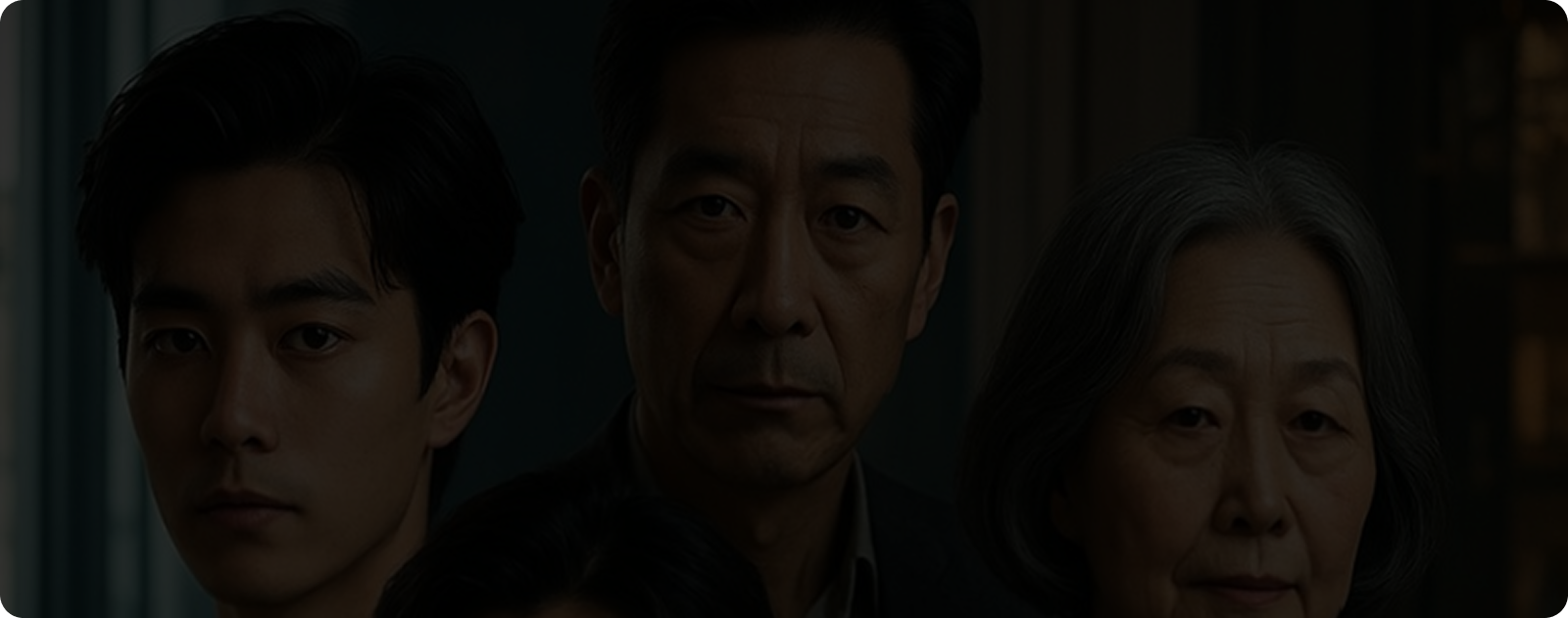
The friendship between Cha Lee Ping and her mother, as reflected in the story, is an eye-opener to the issues surrounding the life of the family and the entire family unit, and more specifically, on intergenerational trauma.
The mother in the book “My Father” by Kathy Blakemore is a perfect example of the alternation of love and hatred, and thus reflects a way of previous experiences to shape the attitudes of an individual and behavior in family life.
The pure brutality that is done to Cha is due to the unresolved hate towards his father, meaning that both her grandfather and her father were victims of a cyclical pattern of suffering handed down through the generational chain.
There is little that can be said about simple solutions to the relations within the family, and forgiveness can cause pain, although this is an essential part of the healing process.
As the story reveals, although Cha wants to be accepted and understood, the wrath of his mother clouds the only love that a parent should have given to his son unconditionally.
With the identification of these dynamics, the readers will be in a position to appreciate the complexity of human relationships, in particular, when they are exposed to traumatic situations.
The path of forgiveness is not quite simple; it consists of coming to terms with pain, realizing what has made me angry, and the ultimate decision to dispose of the load related to the anger.
As it has been empirically demonstrated, forgiveness can result in psychological well-being and emotional appreciation, which is one of the reasons that contribute to the improvement of people.
The book makes the reader reflect on themselves and the relationships and examine whether they can forgive despite being deeply suffering.
Considering the emotions and reflecting on the family relations and the prospect of reconciliation as a viable option, the book brings us to the improved insight on the emotional landscapes that characterize our lives.
Lastly, it urges the readers to find empathy, recover, and reconcile in their family ties.
